How Long Do Dental Implants Last? | Perth City Dental
How Long Do Dental Implants Last?
The titanium post of a dental implant can last 20 to 30 years or a lifetime, while the artificial crown attached to the top typically lasts 10 to 15 years before normal wear and tear means it needs replacing.
Dental implants have a reported success rate of about 90 to 95% over 10 years, which makes them one of the most reliable treatments in dentistry.
So how long do dental implants last for you? It depends on several factors, from your oral hygiene to whether you smoke or grind your teeth.
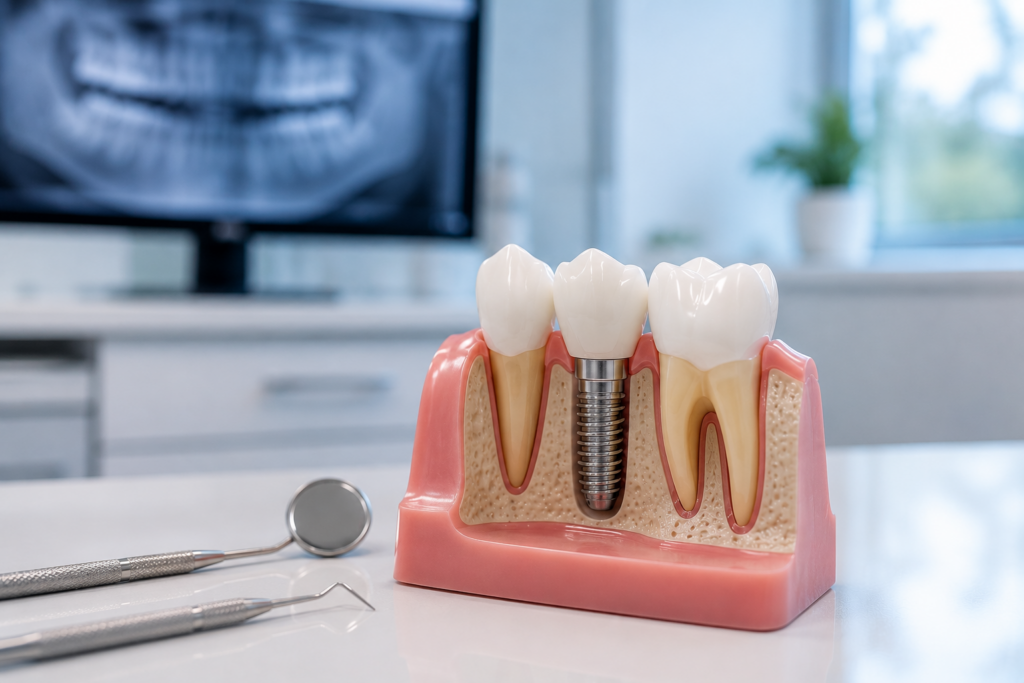
A dental implant is made of three parts, and each one has a different average lifespan.
Material
Typical lifespan
Titanium implant post
20 to 30 years, often a lifetime
Abutment
Usually a lifetime
Dental crown
10 to 15 years
The Titanium Implant Post
The implant post is a small, screw-like artificial tooth root placed in your jawbone. Over the following months, it fuses with the surrounding bone through a process called osseointegration.
Once that optimal integration has happened, the metal post becomes a solid foundation for your new tooth. With good bone health and care, a titanium implant often lasts a lifetime.
The Abutment
The abutment is the small connector that sits just above the gum line. The crown attached to it is held firmly in place, and because it is protected from most chewing forces, the abutment generally lasts a lifetime too.
The Dental Crown
The dental crown is the visible artificial tooth, and it does the hard work. Because it absorbs every bite, the crown portion usually wears down after 10 to 15 years.
The good news is that crown replacement does not disturb the post in your jaw. We simply remove the old crown and fit a new one.
At Perth City Dental, our dental crowns start from $1,800.
Unlike natural tooth enamel, a crown cannot decay. It can still chip or wear, though, especially if you grind your teeth.
What Affects How Long Dental Implants Last?
The lifespan of dental implants depends on several factors, and most of them are within your control.
Peri-Implantitis and Gum Disease
Peri-implantitis is a bacterial infection in the gums and bone around the implant. It is the leading cause of late implant failure.
It starts the same way gum disease does, with plaque buildup. Poor oral hygiene lets bacteria settle in the surrounding tissue, and over time this causes bone loss around the implant. Left untreated, it can loosen the implant completely.
The fix is prevention, and early treatment if it does start. Our gum disease treatments apply to implants as well as natural teeth.
Smoking
Smoking is the single biggest risk factor you can change. It reduces blood flow to your gums, which impairs healing after implant surgery and slows the whole healing process.
The numbers are clear:
Implant failure rates sit around 11% for smokers, compared with 5% for non-smokers.
Smokers have two to three times the rate of implant complications.
Smoking also increases the long-term risk of peri-implantitis.
If you are planning an implant, stopping smoking before and after surgery gives it the best chance.
Teeth Grinding
Teeth grinding, or bruxism, puts excessive pressure on your implant. Over time, it can wear the crown down early, fracture it or even loosen the implant.
Many people grind in their sleep without knowing it. A custom night guard spreads the force and protects your implant.
An implant needs enough bone to fuse with. Sufficient bone density and bone quality are essential for a successful result.
If you have significant bone loss, often from a tooth that has been missing for some time, bone grafting may be needed first to rebuild the area. Treating early bone loss is much simpler than waiting.
Some medical conditions also play a part. Uncontrolled diabetes, for example, can slow healing and increase infection risk. Let us know about your health history so we can plan around it.
Surgical Planning and Placement
Proper surgical placement is critical to how long an implant lasts. A skilled dentist plans the implant site carefully, looking at the bone, the nerves and how your bite will load the new implant.
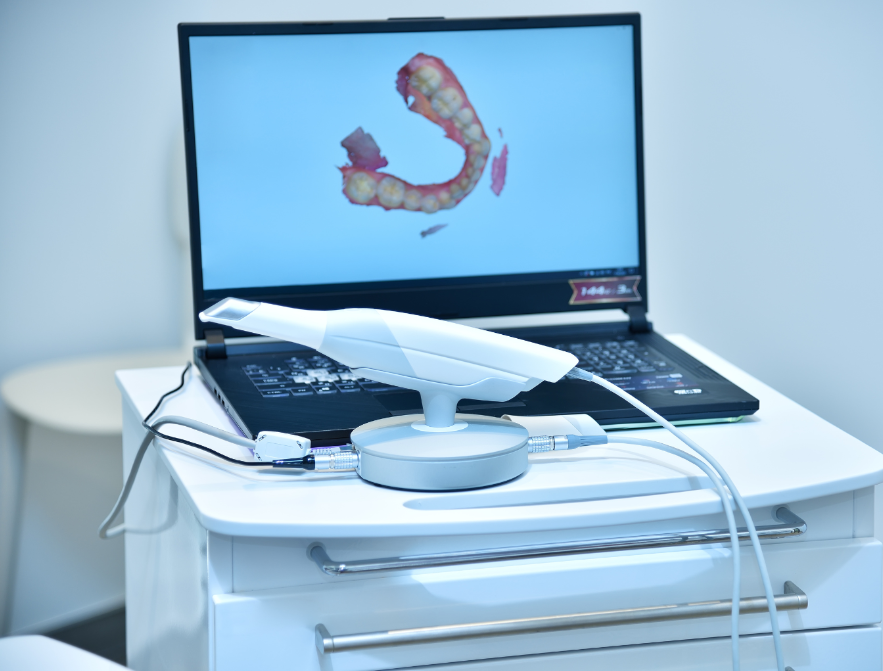
We use in-house advanced digital dental scanning, including 3D CBCT imaging, to plan each implant placement precisely before treatment begins.
How to Make Your Dental Implants Last Longer
Good oral hygiene is the most important thing you can do for implant longevity. Daily care looks a lot like caring for natural teeth:
Brush twice a day and floss or use the recommended interdental brushes every day to keep plaque away from the gum line.
Keep up regular dental checkups and professional cleans every six months. Regular professional monitoring catches small problems before they become big ones.
Avoid smoking, especially in the months around implant surgery.
Wear a custom night guard if you grind your teeth.
Looking after your other teeth protects your implant too, because healthy gums and good oral health support everything in your mouth.
A healthy implant should feel just like your other teeth. Book in with us if you notice:
Your implant feels loose or moves when you bite
Red, swollen or bleeding gums around the implant
Pain or discomfort when chewing
Gum receding to show the metal underneath
Early detection matters. Problems caught in the early stages are far easier to treat, so if your implant feels different, it is always better to have it checked than to wait.
Implants are a significant investment. But because the post can last a lifetime, they often work out well over the long run compared with replacing a bridge or denture several times.
They also do something other options cannot, and it is a big part of their long-term success. Both the implant post and the crown work together like a natural tooth, and the post stimulates your jawbone, helping prevent the bone loss that follows missing teeth.
Considering Dental Implants? Visit Perth City Dental Today!
A dental implant can last for decades with the right care, but how long yours lasts comes down to your individual circumstances, from your oral health to how well the implant is planned and placed.
Our team at Perth City Dental uses advanced imaging to plan each implant precisely, and we will talk you through what to expect, including the risks, before anything goes ahead.
Book a consultation with us today, and we will assess your suitability and help you decide whether a dental implant is the right option for you.