Dental implant surgery is generally not painful during the procedure because the area is completely numbed with local anaesthesia. You may feel mild soreness or discomfort for a few days during recovery.
Most patients describe the recovery as similar to, or milder than, a standard tooth extraction. Any ache usually peaks around day two or three and then fades steadily.
If you are worried that dental implants hurt, you are not alone. It is one of the most common questions we hear.
Every dental implant procedure starts with local anaesthetic. It numbs the implant site completely, including the gum tissue and the jaw bone underneath.
As our dental implants page puts it, the surgery is carried out under local anaesthetic, so you should not feel pain during the procedure.
You will not feel sharp pain, and most people find the surgical procedure far easier than they expected.
Pressure, Not Pain
While you will not feel pain, you will still be aware of what is happening.
During dental implant placement, you may notice:
light pressure
gentle movement
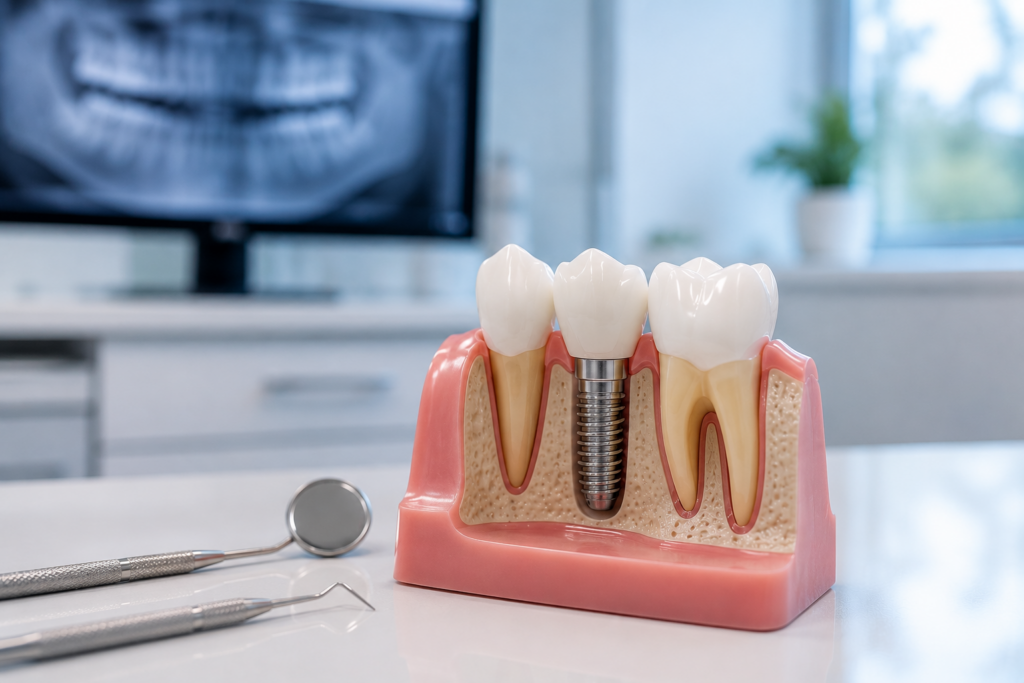
a vibration as the titanium metal post is placed into the jawbone
These sensations can feel strange, but they are not painful. If anything does feel uncomfortable, simply raise your hand, and we will stop and top up the anaesthetic.
Implant placement for a single tooth is often quicker than people expect, and your dentist will check in with you throughout.
If You Feel Anxious
If the thought of oral surgery makes you nervous, let us know at your consultation. Sedation options may be available to help you relax, and more complex cases, such as multiple implants placed at once, can be referred for treatment under general anaesthetic.
With modern techniques and careful planning, a dental professional can make implant surgery a calm, close-to-pain-free process for most people.
What Affects How Much Discomfort You Feel?
Every pain experience is different, and it depends on several factors:
How much is being done. One implant is simpler than several, and needing a tooth extraction or bone grafting at the same time can mean a little more soreness.
The health of your gums and bone. Gum disease or bone loss may need treating first, which adds steps to your treatment plan.
Your general health. Age and medical conditions such as diabetes can affect the healing process.
Smoking. It slows healing and significantly increases the risk of implant failure.
Careful planning. Precise placement means less disruption to the surrounding teeth and tissue.
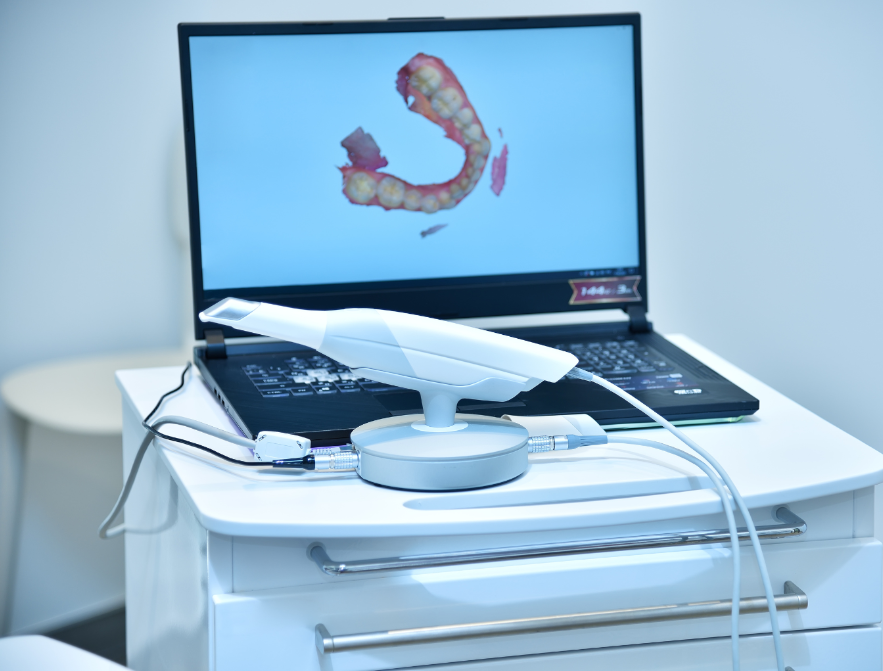
Working alongside the specialist with advanced digital dental scanning, we plan every dental implant treatment before surgery begins. Knowing exactly where the bone and nerves sit makes the procedure smoother and the recovery gentler.
It also means we can talk you through your likely recovery before you commit, so you can plan time off work if you need it.
When Pain Is Not Normal
Discomfort should improve each day after the first two or three days. Severe or worsening pain, or persistent pain that continues beyond the first week, can be a sign of a complication and needs to be assessed.
Call us if you experience pain along with:
severe pain that is not controlled by pain relief
swelling that increases after day three
fever, pus or a bad taste around the implant
a loose implant, or one that moves when you bite
Possible causes include:
an infection at the implant site, one of the main risks after surgery and often linked to poor oral hygiene
peri-implantitis, an infection of the gum and bone that can develop weeks or months later
implant failure, which affects around 5 to 10% of implants
teeth grinding, which can put pressure on the healing bone
rarely, a reaction to titanium
Most of these are very treatable when caught early. If something does not feel right, do not wait it out. Contact us, or see our emergency dentistry page if it is urgent.
Looking after your oral health in the weeks after surgery is the best protection.
Once the anaesthetic wears off, some soreness is normal. Here is a typical pain timeline after surgery:
When
What to expect
First 24 hours
Numbness wears off, mild ache, minor bleeding
Days 2 to 3
Swelling and soreness peak
Days 3 to 7
Discomfort steadily eases
1 to 2 weeks
Most people are back to normal activities
3 to 6 months
The implant fuses with the bone, painlessly
A few things are worth knowing:
Dental implant pain is usually mild, sometimes moderate soreness, and should ease significantly within the first week.
Minor bruising on the cheek or jaw is common and harmless.
Over the healing period, the implant fuses with your jawbone through a process called osseointegration. This part of implant healing happens quietly in the background, without pain.
How does dental implant placement compare with a tooth extraction?
Very similar, and often milder, because the gum and bone are handled with great care.
If you have had a tooth out before, our dental extractions page explains what that recovery involves, and you can expect something comparable.
How to Manage Pain After Implant Surgery
A few simple steps make a big difference to a smooth recovery:
Pain relief: over-the-counter medications such as ibuprofen or paracetamol usually control the ache well. If your dentist gives you prescribed pain relievers, take them exactly as directed.
Cold compress: in the first 24 hours, hold an ice pack wrapped in a cloth against the outside of your face to control swelling.
Soft foods: stick to soups, eggs, yoghurt and mashed vegetables for a few days, and chew on the other side, away from the surgery site.
Rest: take it easy for the first day or two and avoid heavy exercise.
Saltwater rinses: from the second day, gentle warm saltwater rinses help keep the area around the implant site clean.
No smoking: it slows healing and raises the risk of infection.
Skip alcohol and very hot food or drinks for the first couple of days, as both can irritate the area and slow healing.
Gentle cleaning: keep brushing, but be gentle around the implant area and gum line, and avoid putting too much force on it.
Follow-up appointments: these let us check that you are on track for proper healing.
Still Worried about Dental Implants? Contact Perth City Dental Today!
It is completely normal to feel nervous about implant surgery, and a little soreness during recovery is usually the extent of it for most people.
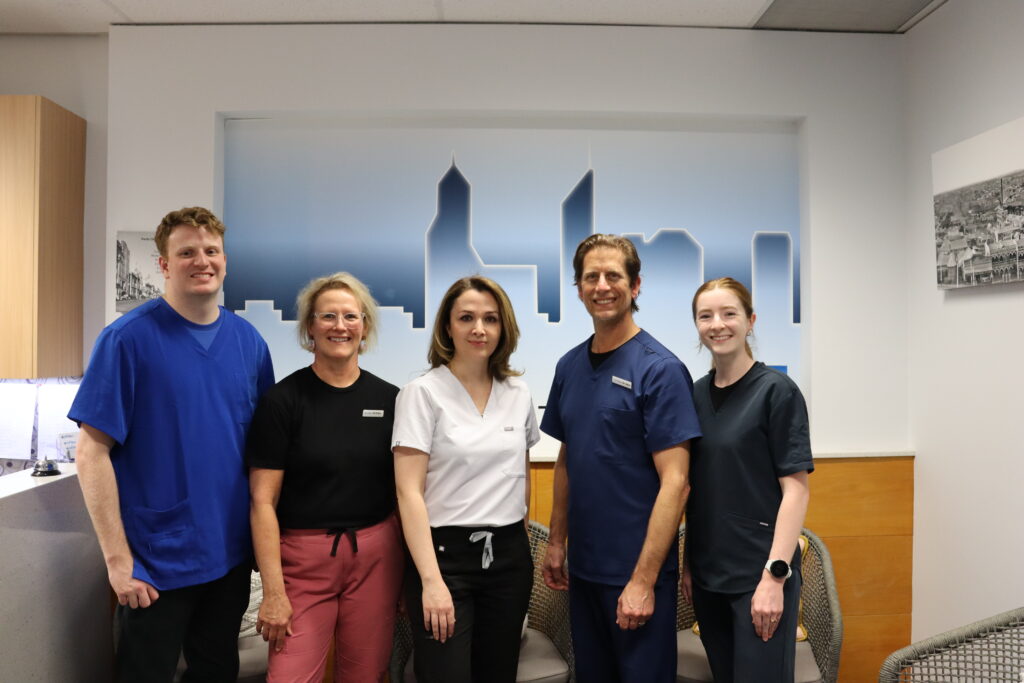
Our team at Perth City Dental will talk you through every step at your consultation, from the local anaesthetic and sedation options to what your recovery is likely to feel like..
Get in touch with us today to book a consultation, and we will answer your questions and help you decide whether dental implants are right for you!